Health and Safety Policy for Cleaners SW18
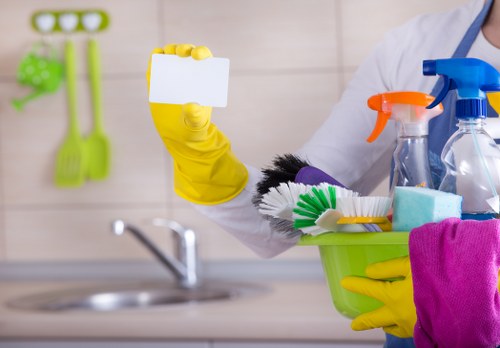 Our Health and Safety policy for Cleaners SW18 is designed to protect staff, clients, and anyone who may be affected by cleaning activities. It sets out a clear approach to safe working, reducing risks, and maintaining a clean, hygienic environment without compromising wellbeing. Whether work is carried out in homes, offices, or shared spaces, every cleaner is expected to follow safe systems of work at all times.
This policy applies to all cleaning tasks, including routine maintenance, deep cleans, specialist surface care, and waste removal. It supports a culture where hazards are identified early, reported promptly, and managed responsibly. By following consistent procedures, cleaners in SW18 can carry out their duties efficiently while protecting themselves and others from avoidable harm.
 We recognise that cleaning work often involves physical effort, chemicals, equipment, and time-sensitive schedules. For that reason, our approach is built around practical risk control, clear communication, and proper training. Safety is not treated as an extra step; it is part of every task from start to finish.
Responsibilities and Safe Working Practice
All cleaners are responsible for working carefully, using equipment correctly, and following instructions relevant to each assignment. Supervisors and managers must provide suitable information, training, and oversight so that everyone understands the risks linked to each job. In practice, this means using approved materials, checking equipment before use, and stopping work if conditions become unsafe.
Health and safety for cleaners SW18 also depends on good housekeeping. Work areas must be kept tidy, spillages dealt with quickly, and walkways left clear. Cables, buckets, mops, and other tools should be positioned to reduce trip hazards. Where possible, cleaners should use methods that avoid unnecessary manual strain and limit exposure to irritants.
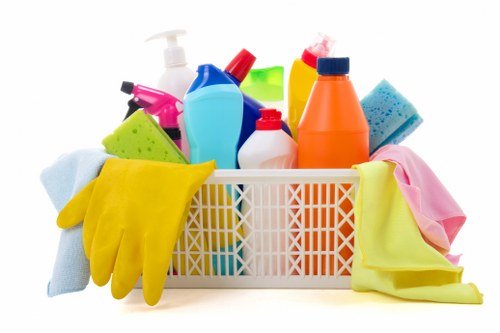 Communication is essential when several people are present in the same building. Staff should be aware of occupied rooms, fragile items, restricted access areas, and any temporary hazards such as wet floors or maintenance activity. Clear notices, verbal warnings, and careful planning all help reduce the likelihood of accidents.
Risk Assessment and Control Measures
Before work begins, relevant risks should be assessed and appropriate controls put in place. This includes considering the type of surface, the products being used, the size of the area, and whether there are vulnerable people nearby. Risk assessment is especially important when dealing with glass, electrical equipment, biohazards, or strong cleaning agents.
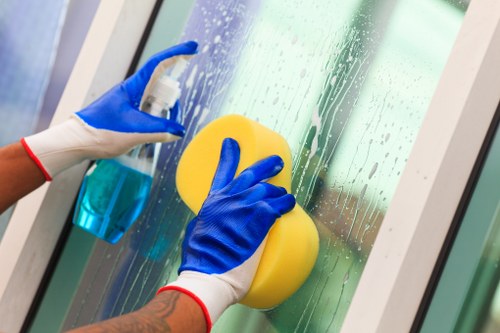
SW18 cleaners must use the correct personal protective equipment when needed. Gloves, aprons, eye protection, and suitable footwear help reduce exposure and improve stability during work. PPE should be clean, in good condition, and replaced when damaged. It must never be treated as a substitute for safe procedures, but rather as one part of a wider prevention strategy.
Cleaning chemicals must always be stored, handled, and diluted according to instructions. Mixing products without permission can create dangerous fumes or reduce effectiveness. All containers should be clearly labelled, and staff should understand basic precautions for skin contact, inhalation, and accidental ingestion. Safe handling of chemicals remains a core part of this policy.
Training, Equipment, and Incident Reporting
Proper training helps cleaners work safely and confidently. Each worker should understand how to operate tools, use lifting techniques, manage waste, and respond to common hazards. Training should be refreshed when equipment changes, new substances are introduced, or work methods are updated. A well-informed team is better able to maintain high safety standards across every job.
Equipment must be maintained in good working order and checked regularly. Faulty vacuums, damaged cords, leaking spray bottles, or unstable step stools can all create avoidable hazards. If something is broken, it should be removed from service until repaired or replaced. This supports both productivity and the safety of cleaning staff in SW18.
Any accident, near miss, injury, or unsafe condition should be reported as soon as possible. Prompt reporting helps identify patterns, prevent repeat incidents, and improve future working practices. Even minor issues, such as slips or chemical splashes, should be taken seriously and recorded according to internal procedures.
Working Environment and Wellbeing
Health and safety is not limited to accident prevention. It also includes protecting wellbeing through realistic scheduling, manageable workloads, and sensible work methods. Repetitive movements, awkward postures, and overuse injuries can affect cleaners if tasks are not planned carefully. Rotating duties and using ergonomic tools can help reduce strain.
Where cleaning takes place in shared or public settings, extra care should be taken around members of the public, residents, children, and pets. Equipment should never be left unattended in a way that creates risk. Cleaning operatives should remain alert, professional, and prepared to pause work if the environment changes unexpectedly.
 Managers should review this policy regularly to ensure it remains effective, practical, and up to date. Reviews may be needed after an incident, a significant change in work activity, or the introduction of new materials or methods. Continuous improvement supports safer outcomes for everyone involved in cleaners SW18 services.
It is expected that every worker contributes to a safe culture by following procedures, raising concerns, and respecting the wellbeing of colleagues and clients. Safety is a shared responsibility, and it depends on consistent action rather than occasional attention. With careful planning and discipline, cleaners SW18 can deliver reliable results while minimising risk.
 By applying this policy in day-to-day practice, cleaning teams can maintain a professional standard of service that values prevention, responsibility, and care. The result is a safer workplace, better working conditions, and a cleaner environment for everyone.